


 Garlic
  Artichoke
  Choosing a Plot for Your Garden


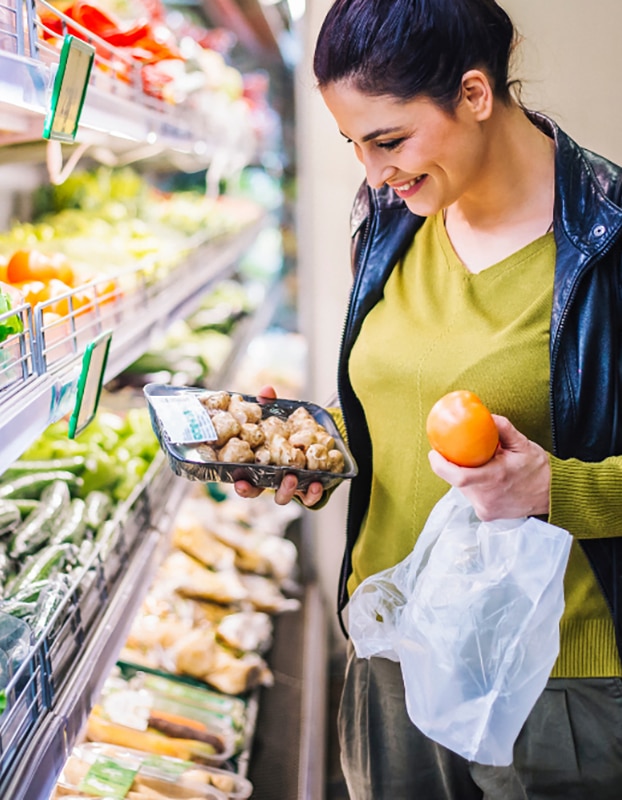
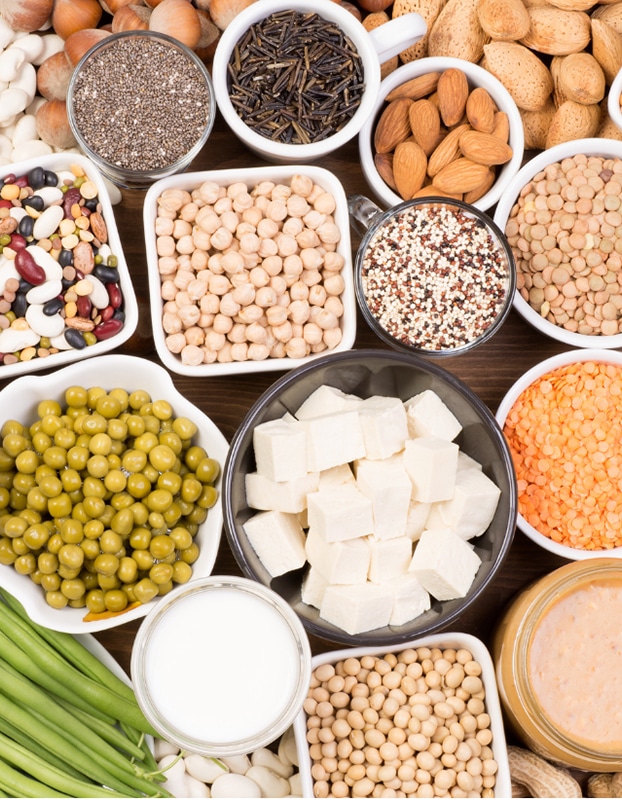



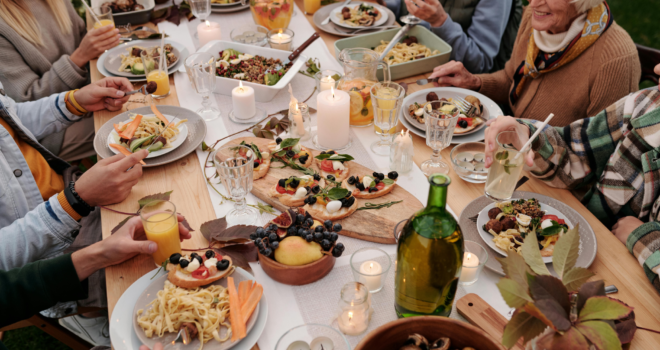
For many people, cooking for themselves remains an ideal... and one that can be difficult to achieve. Between lack of time, lack of inspiration and fear of failure, “home-made” can seem to be reserved for those who like to spend time in the kitchen. However, there are a few tricks you can use to develop good habits. Follow our guide!
Opting for “home-made” means knowing what you’re putting on your plate, adapting portions to your needs, limiting ultra-processed products… and ultimately, improving the nutritional quality of your diet1,2,3. But where to start?
Assembling: the gateway to home-made products
For beginners, the key is to trust yourself. There’s no need to aim for a gourmet dish: Assembling is already cooking! Assemblage cuisine consists in composing dishes from raw and ready-to-eat ingredients. Mixed salads, toasted sandwiches, vegetable wraps, plates of raw vegetables with hummus or canned lentils… So many quick, colorful and nutritious meals, with no real “recipe” to follow.
And don’t be afraid to use canned and frozen vegetables! Practical, economical and just as nutritious as fresh vegetables, they are a real ally for busy cooks. A quick salad with canned lentils, pasta gratin with frozen peas and carrots, mushroom omelet: here are some examples of simple, quick and balanced dishes.
“One-pot meals”: easy dishes that can be reheated
In winter, “one-pot” preparations are a simple solution: gratins, soups, baked dishes or casseroles. These dishes require little handling and cook almost by themselves. And for those in a hurry, the microwave oven is an invaluable tool that can do much more than reheat ready-made meals! Fish en papillote, vegetable curry, tomato and olive mugcake, poached eggs… many recipes can be adapted to this fast, modern cooking method.
Adapting rather than reinventing
For those of you who have already mastered some of the basics, how can you update your skills? The most effective way is to vary the recipes you know, rather than seeking novelty at all costs. Starting with four or five basic recipes (pasta, risotto, quiche, curry, gratin, etc.), you can come up with a multitude of variations, using seasonal vegetables in particular. In just a few weeks, you’ll build up a personal “repertoire” of easy-to-reproduce home-made dishes.
A watchword: organization
But the real secret of home-made is organization. In practice, it’s not so much a lack of time that’s a problem as a lack of planning. Build up a small stock of essentials (pasta, rice, canned vegetables, peeled tomatoes, coconut milk, canned tuna and sardines, herbs and spices) and you can improvise a complete meal in just a few minutes. Another tip: prepare a few basics in advance (pasta, rice, roasted vegetables, sauces) and then pick and choose according to the day’s inspiration to put together your plate. This is the philosophy meal prepping, which involves preparing all the week’s meals on Sunday.
Let’s do it together!
Involving a relative, child or roommate, even for a simple task, turns meal preparation into a shared activity. Washing vegetables, stirring a sauce, tasting: these simple gestures enhance the contribution of each individual and pass on basic know-how. Rather than aiming for perfection, it’s better to focus on pleasure, variety and simplicity. A home-cooked meal is always more personal, and sometimes even quicker than you think!
Quick tips to remember
- 5 vegetables you almost never peel: zucchinis, peppers, mushrooms, carrots and pumpkin
- 3 dinners in 10 minutes flat: pasta with green beans (canned), cherry tomatoes and parmesan/hummus and crudités wrap/lentil, cucumber and feta salad
- Meal prepping made easy: a cereal + a legume + roasted vegetables = a week’s worth of varied meals.
Références
1 Siddiqui NZ et al. The interaction between the community food environment and cooking skills in association with diet-related outcomes in Dutch adults. Public Health Nutr. 2023 Dec;26(12):2945-2952. doi: 10.1017/S1368980023002148. Epub 2023 Oct 18. PMID: 37850441; PMCID: PMC10755447.
2 Mills S, et al. Frequency of eating home cooked meals and potential benefits for diet and health: cross-sectional analysis of a population-based cohort study. Int J Behav Nutr Phys Act. 2017 Aug 17;14(1):109. doi: 10.1186/s12966-017-0567-y. PMID: 28818089; PMCID: PMC5561571.
3 Wolfson JA, et al. More frequent cooking at home is associated with higher Healthy Eating Index-2015 score. Public Health Nutr. 2020 Sep;23(13):2384-2394. doi: 10.1017/S1368980019003549. Epub 2020 Jul 10. PMID: 31918785; PMCID: PMC11374573.